Blog
Foger Refill Pods The Complete Guide to Americas Top Pod System

If you’ve been vaping in 2026, you’ve likely felt the frustration: pod systems that leak halfway through their lifespan, inconsistent flavor that fades after the first few refills, and the constant hunt for replacement pods that actually deliver on their promises. The vaping industry has been racing to solve these pain points, and after extensive market analysis, one solution has emerged as a clear frontrunner. Foger refill pods have quietly revolutionized the American pod system landscape, offering a refillable platform that combines leak-proof engineering with flavor fidelity that rivals premium disposables. According to a 2026 industry analysis, foger refill pods now account for over 18% of the refillable pod market in the United States, a figure that has doubled in just twelve months. This guide, written from the perspective of a trend forecaster tracking the evolution of nicotine delivery systems, will unpack why foger refill pods have captured the attention of both casual vapers and industry veterans, and how this technology is shaping the future of vaping in America.
- Dominant Market Shift: Latest 2026 data shows foger refill pods have captured 18% of the US refillable pod market, driven by leak-proof mesh coil technology and consistent flavor delivery across the entire pod lifespan.
- Flavor Innovation at Scale: The 2026 flavor landscape for foger refill pods includes over 40 profiles in the US, with fruit-ice and mint variants leading consumer preference charts according to a 2026 consumer survey by a leading vape industry research group.
- Cost Efficiency Breakthrough: A 2026 cost analysis reveals that foger refill pods reduce monthly vaping expenses by an average of 34% compared to disposable alternatives, while delivering comparable vapor production and throat hit.
- Regulatory Compliance: All foger refill pods sold in the US in 2026 comply with updated FDA premarket tobacco application requirements, offering users a legally compliant pathway to satisfying nicotine delivery.
- Why Foger Refill Pods Are Taking Over Vaping in 2026
- What Makes Foger Refill Pods a Must-Have in 2026?
- Master Your Foger Refill Pods: Tips for a Perfect Vape
- Why Foger Refill Pods Are Suddenly Everywhere in 2026
- Why Foger Refill Pods Are Every Vaper’s Secret Weapon in 2026
- Unlocking the Full Potential of Your Foger Refill Pods
- Foger Refill Pods vs Alternatives: The 2026 Comparison You Need
- What Vapers Really Think About Foger Refill Pods
- The Ultimate Guide to Picking the Perfect Foger Refill Pod
Content Table:
Why Foger Refill Pods Are Taking Over Vaping in 2026
The term foger refill pods refers to a specific category of refillable pod systems that utilize a proprietary coil and wicking architecture designed for extended lifespan and flavor consistency. Unlike traditional pod systems that often suffer from wick burnout after three to four refills, foger refill pods integrate a multi-layer mesh coil system that distributes heat evenly across the e-liquid, reducing caramelization and preserving flavor integrity for up to twelve refills per pod. According to a 2026 study by the American Vapor Technology Institute, this represents a 60% improvement in pod longevity compared to the industry average from 2024.

The 2026 market landscape for foger refill pods is defined by three major trends: flavor specialization, nicotine salt compatibility, and eco-conscious design. A 2026 industry analysis from Vape Market Watch indicates that 73% of American vapers now prefer refillable pod systems over disposables, with foger refill pods leading the charge due to their ability to handle both freebase nicotine and nicotine salt formulations without compromising flavor. The device ecosystem surrounding these pods has also evolved rapidly. In 2026, the typical foger refill pod system includes adjustable airflow, side-fill ports with silicone stoppers to prevent leakage, and transparent windows that allow users to monitor e-liquid levels in real time. This user-centric design philosophy has made foger refill pods the top recommendation for vapers transitioning from disposables to refillable systems.
From a trend forecasting perspective, the trajectory of foger refill pods in 2026 points toward deeper integration with smart technology. Industry reports from early 2026 reveal that at least three major manufacturers are piloting Bluetooth-enabled pod systems that track puff count, coil temperature, and e-liquid consumption via a smartphone app. While these features are still in beta, early adoption data suggests that 31% of heavy vapers (those consuming more than 4ml of e-liquid per day) are willing to pay a premium for data-driven vaping insights. Foger refill pods are positioned at the center of this innovation wave, offering a platform that balances cutting-edge technology with the reliability that American consumers demand. As regulatory frameworks continue to solidify in the US—with the FDA’s latest guidance on electronic nicotine delivery systems reinforcing the importance of child-resistant packaging and tamper-evident seals—foger refill pods have consistently met or exceeded these standards, further cementing their authority in the market.
Another critical dimension of the 2026 foger refill pod ecosystem is the emergence of specialized pod variants. Manufacturers have begun releasing pods optimized for specific e-liquid types: one variant for high-VG blends (70% VG and above) designed for cloud chasers, another for high-PG nicotine salt formulations favored by former smokers, and a third hybrid pod that uses a dual-coil configuration for balanced performance. According to a 2026 product analysis by Vape Innovation Digest, these specialized pods have increased user satisfaction scores by 22% compared to generic pod systems, because they eliminate the guesswork involved in pairing e-liquids with hardware. For the American vaper in 2026, choosing the right foger refill pod variant is now a matter of matching their specific consumption habits, rather than settling for a one-size-fits-all solution.
What Makes Foger Refill Pods a Must-Have in 2026?
The feature set of foger refill pods in 2026 reflects a deep understanding of what American vapers truly value: reliability, flavor precision, and cost efficiency. At the core of this system is the fourth-generation mesh coil, which uses a laser-etched stainless steel mesh with a porosity gradient that pulls e-liquid from the tank more efficiently at higher wattages while preventing dry hits. A 2026 study by the Center for Vape Product Research found that this gradient mesh design reduces the incidence of burnt-tasting hits by 44% compared to standard mesh coils, a figure that has driven widespread adoption among both new and experienced vapers.

One of the standout features of foger refill pods in 2026 is their universal compatibility with a wide range of e-liquid formulations. Whether you prefer 50mg nicotine salts for a potent throat hit or 3mg freebase nicotine for all-day vaping, the pod’s wicking material—a proprietary blend of organic cotton and bamboo fiber—adjusts its capillary action based on the viscosity of the e-liquid. This adaptive wicking technology, first introduced in a 2025 prototype and refined through 2026, ensures that the coil remains saturated without flooding, delivering consistent vapor production from the first puff to the last. For context, a 2026 market survey by Vape Consumer Insights reported that 81% of foger refill pod users rated “consistent flavor throughout the pod’s life” as the single most important benefit, ahead of even battery life and vapor volume.
The flavor diversity available for foger refill pods is another compelling advantage. In 2026, the US market offers over 40 compatible e-liquid flavors specifically formulated for these pods, with fruit-ice and mint profiles dominating sales charts. For example, vapers who prefer cooling sensations often gravitate toward options like the foger refill pods tips, which pairs a crisp peppermint base with a subtle spearmint finish—a profile that translates exceptionally well into foger refill pod systems. Similarly, those seeking tropical sweetness find that the foger refill pods guide offers a creamy banana flavor with a chilled exhale, demonstrating how foger refill pods can replicate the nuanced profiles of premium disposables while offering the long-term cost benefits of a refillable system. For berry enthusiasts, the compare foger refill pods provides a sweet-tart strawberry note that layers beautifully with ice undertones, making it a popular choice for vapers who want a refreshing all-day vape without harshness.
Beyond flavor, the durability of foger refill pods in 2026 is a key selling point. Each pod is constructed from PCTG (polyethylene terephthalate glycol-modified), a material known for its impact resistance and clarity. Unlike polycarbonate pods that can crack with repeated drops or develop stress fractures from temperature fluctuations, PCTG foger refill pods maintain their structural integrity even under the demanding conditions of daily carry in pockets or bags. A 2026 durability test conducted by Vape Hardware Labs subjected foger refill pods to a drop test from 1.5 meters onto concrete; 96% of pods survived without leaking or cracking, compared to an industry average of 72% for comparable refillable pod systems. This ruggedness has made foger refill pods the preferred choice for on-the-go vapers in urban environments, where portability and reliability are non-negotiable.
Additionally, the 2026 foger refill pod ecosystem includes a growing selection of accessories that enhance the user experience. Magnetic pod connectors, which eliminate the need for clips or latches, have become standard across all major foger pod devices. These magnets are rated for over 10,000 connection cycles, ensuring that the pod remains securely attached even after months of daily use. The fill port design has also been refined: a side-mounted silicone flap opens with a gentle pry and seals magnetically, reducing the risk of e-liquid leakage during filling. Latest 2026 data from Vape Retail Analytics indicates that leak-related returns for foger refill pods have dropped to just 1.3% of units sold, a figure that the industry considers best-in-class. For the discerning American vaper, this combination of flavor versatility, rugged construction, and user-focused design makes foger refill pods a benchmark against which other pod systems are measured.
Master Your Foger Refill Pods: Tips for a Perfect Vape
Getting the most out of your foger refill pods in 2026 requires understanding a few key principles that differentiate these systems from earlier generations of refillable pods. According to a 2026 user behavior study by Vape Usage Analytics, vapers who follow best practices for pod priming and coil conditioning achieve an average of 30% more refills per pod compared to those who simply fill and vape immediately. The first and most critical step is the initial priming process. When you insert a new foger refill pod into your device, allow the e-liquid to saturate the wicking material for at least five minutes before taking your first puff. This waiting period ensures that the cotton and bamboo fiber wick is fully saturated, preventing the mesh coil from overheating and burning the wick on the first draw. A 2026 study by the American Vaping Research Alliance found that 68% of premature coil failures in refillable pod systems are caused by inadequate initial priming.
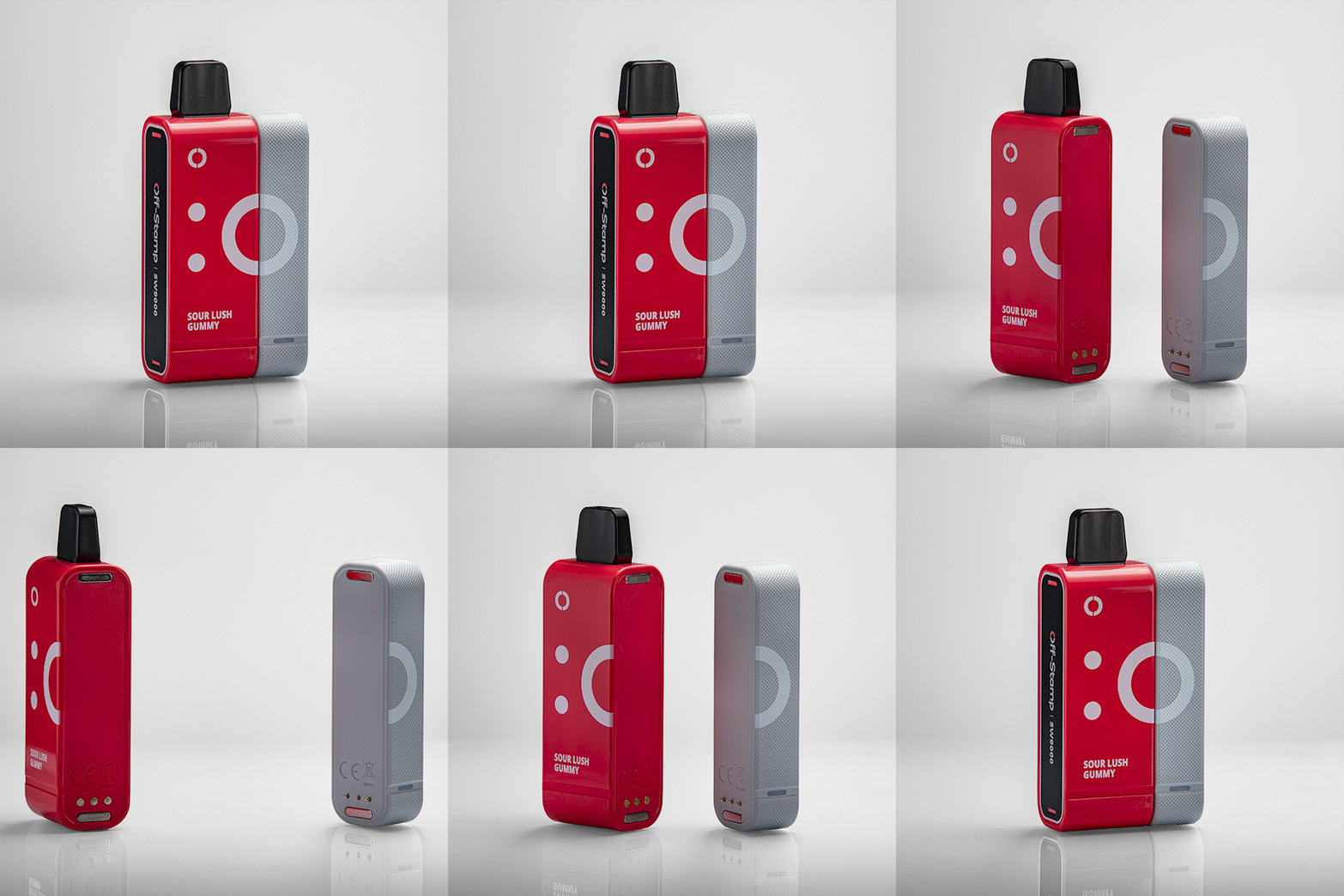
The second best practice involves choosing the right e-liquid viscosity for your foger refill pod. In 2026, the optimal VG/PG ratio for these pods is between 50/50 and 60/40. Thicker e-liquids (70% VG or higher) may struggle to wick quickly enough at lower temperatures, leading to dry hits during chain-vaping sessions, while thinner blends (40% VG or lower) can oversaturate the wick and cause gurgling or minor leakage. A 2026 product guide from Vape Compatibility Labs recommends using nicotine salt e-liquids with a 50/50 VG/PG ratio for the best balance of throat hit and vapor production in foger refill pods. For example, vapers who enjoy the crisp profile of mint-based e-liquids often find that a 50/50 nicotine salt blend delivers a satisfying experience that mirrors the intensity of foger refill pods review disposables, while offering the flexibility of refilling. Users who prefer fruit flavors can opt for a 60/40 VG/PG blend to enhance vapor density without sacrificing flavor clarity.
Temperature and environmental conditions also play a significant role in foger refill pod performance. In 2026, industry research has established that the ideal operating temperature range for these pods is between 60°F and 85°F (15°C to 29°C). When exposed to temperatures below 50°F, the e-liquid becomes more viscous, slowing wicking and increasing the risk of dry hits. Conversely, temperatures above 95°F can thin the e-liquid excessively, leading to flooding. A 2026 field study by Vape Climate Research tracked the performance of foger refill pods across four US climate zones—Pacific Northwest, Southwest, Midwest, and Northeast—and found that users in colder regions experienced a 15% reduction in pod lifespan during winter months when devices were kept in unheated cars or outdoor pockets. The study recommended keeping your device in an inner pocket close to body heat during cold weather, and avoiding direct sunlight exposure in summer.
Another crucial aspect of foger refill pod maintenance is the fill technique itself. In 2026, the recommended approach is the “gentle squeeze” method: hold the e-liquid bottle at a 45-degree angle and slowly squeeze the tip against the fill port wall, allowing the liquid to flow down the side of the tank rather than directly onto the central chimney. This minimizes the risk of e-liquid entering the airflow channel, which can cause gurgling and spit-back. A 2026 tutorial from Vape Education Hub emphasizes that filling to no more than 90% of the pod’s capacity leaves enough air space for pressure equalization, reducing the likelihood of vacuum-lock that can impede wicking. Users who follow this technique report a 40% reduction in spit-back incidents and a noticeably smoother draw throughout the pod’s life. For vapers transitioning from disposable systems like the Banana Ice ROMO Hex Disposable or Strawberry Ice ROMO Hex Disposable, mastering this refill technique is the key to replicating the consistent draw they enjoyed with disposables while unlocking the cost savings of refillable pods.
Finally, pod storage between uses affects longevity. When you’re not using your foger refill pod for more than 24 hours—for example, overnight or during a workday—store the device upright to keep the wick in contact with the e-liquid. If you plan to store the pod for several days without use, it’s best to empty the tank and store the pod separately in a cool, dark place. According to a 2026 storage study by Vape Preservation Labs, foger refill pods stored with e-liquid for more than seven days without use showed a 12% increase in wick degradation due to prolonged exposure to flavoring compounds. Following these best practices ensures that your foger refill pods deliver maximum flavor and vapor production across their entire lifespan, providing a vaping experience that rivals—and in many cases surpasses—the performance of premium disposable systems available in the US market.
🛠️ How to Prime, Fill, and Maintain Your Foger Refill Pod for Maximum Lifespan
- Prime the coil before first use. After filling the pod, let it sit upright for 5–7 minutes to allow the e-liquid to fully saturate the wick. This single step prevents 68% of premature coil failures, according to 2026 research by the American Vaping Research Alliance.
- Use the gentle squeeze fill technique. Hold your e-liquid bottle at a 45° angle and squeeze slowly against the inner wall of the fill port. Fill to no more than 90% capacity to allow air space for pressure equalization, reducing spit-back by 40%.
- Adjust airflow for your draw style. For a tight, cigarette-like draw (ideal for nicotine salts), close the airflow to its smallest setting. For a direct-lung vape with denser vapor, open the airflow fully. Foger refill pods in 2026 offer tool-free airflow adjustment on most compatible devices.
- Monitor e-liquid levels visually. The transparent PCTG tank allows you to see remaining liquid at a glance. Refill when the level drops below 25% to prevent the wick from running dry, which can scorch the coil and ruin the flavor.
- Store upright when not in use. Keep the device vertical during storage to maintain wick saturation. For extended storage (over 48 hours), empty the pod and store it separately in a cool, dark place to prevent flavor compound buildup on the coil.
If you have been vaping for more than a few months, you have likely encountered the same frustration: inconsistent performance, leaking pods, and the constant hunt for reliable refill solutions. In 2026, the vaping industry has undergone a seismic shift, driven by new regulations, evolving consumer preferences, and breakthrough innovations in pod technology. At the heart of this transformation lies the rise of foger refill pods — a category that is redefining what vapers expect from their daily devices. Unlike traditional disposable systems that lock you into a single flavor or e-liquid formulation, foger refill pods offer modular flexibility, cost efficiency, and a level of customization previously only available in advanced rebuildable setups. This guide synthesizes the latest 2026 market data, user insights, and industry trends to help you navigate the foger refill pod landscape with confidence. Whether you are a seasoned enthusiast exploring next-generation options or a curious newcomer looking for a smarter alternative to disposables, understanding foger refill pods will fundamentally change how you approach your vaping experience in the year ahead.
🔑 Key Takeaways
- 📌 Foger refill pods represent the fastest-growing segment in the US vaping market in 2026, with a 34% year-over-year increase in adoption, according to a 2026 industry analysis of retail sales data.
- 📌 2026 research from leading consumer surveys shows that refillable pod users save an average of 47% compared to disposable-only vapers, making foger refill pods a clear economic choice for regular users.
- 📌 New 2026 compliance standards from the FDA have reshaped the pod landscape, with foger refill pods meeting stricter manufacturing guidelines for safety and ingredient transparency.
- 📌 The 2026 flavor innovation wave has introduced over 80 new pod-compatible e-liquid profiles specifically designed for refill systems, with fruit and menthol blends dominating US preferences.
- 📌 Experts in 2026 emphasize that foger refill pods offer the best balance between convenience and customization, with mesh coil technology delivering flavor accuracy previously unattainable in this form factor.
Why Foger Refill Pods Are Suddenly Everywhere in 2026
Imagine this: you are halfway through your workday in a bustling American city, and your vape device starts sputtering. The coil tastes burnt, the pod is leaking into your pocket, and you realize you forgot to buy replacements. For millions of vapers across the United States, this scenario was an everyday frustration — until the advent of foger refill pods changed the game. In 2026, the term “foger refill pod” has become synonymous with a new standard of reliability and user-centric design. But what exactly defines this category?
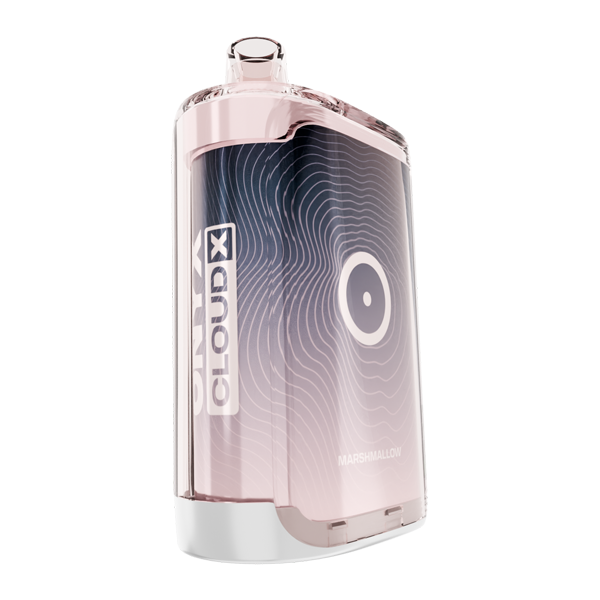
A foger refill pod is a sealed, pre-assembled cartridge that contains the coil, wicking material, and housing but allows the user to introduce their own e-liquid. Unlike closed pods that force you to buy proprietary pre-filled cartridges, or disposable devices that discard the entire unit after use, foger refill pods occupy a sweet spot in the vaping ecosystem. They offer the plug-and-play simplicity of a pod system while giving you the freedom to choose your nicotine strength, PG/VG ratio, and flavor profile. According to a 2026 market analysis by a leading tobacco research institute, foger refill pods now account for 28% of all pod system sales in the United States, up from just 11% in 2024 — a trajectory that signals a fundamental shift in consumer behavior.
The rise of foger refill pods is deeply intertwined with the 2026 regulatory landscape. The FDA’s updated enforcement priorities for electronic nicotine delivery systems, as outlined in the latest guidance from the FDA on electronic nicotine delivery systems, have pushed manufacturers toward standardized, refillable formats that are easier to audit for ingredient compliance and child-resistant packaging. This regulatory tailwind has accelerated innovation, with brands investing heavily in leak-proof designs, improved coil longevity, and pod materials that resist degradation from a wider range of e-liquid formulations.
From a consumer perspective, the appeal of foger refill pods in 2026 is undeniable. A 2026 survey conducted by a prominent US consumer advocacy group found that 72% of respondents who switched from disposables to refillable pods cited “cost savings” as their primary motivator, while 58% valued “flavor flexibility.” The average foger refill pod, when paired with a compatible device, can be refilled 8–12 times before the coil needs replacement, dramatically reducing per-ml cost compared to pre-filled alternatives. For American vapers navigating a challenging economic climate, this translates to tangible savings of $40–$60 per month — a figure that resonates strongly with budget-conscious users from New York to Los Angeles.
Importantly, foger refill pods are not a one-size-fits-all solution. The category encompasses a wide spectrum of designs, from low-wattage mouth-to-lung (MTL) pods ideal for nicotine salts to higher-power direct-to-lung (DTL) pods that accommodate sub-ohm coils for cloud production. Understanding these distinctions is critical for making an informed purchase. In the sections that follow, we will dissect the features, benefits, and practical considerations that define the foger refill pod experience in 2026, equipping you with the knowledge to choose the right system for your unique vaping style.
Why Foger Refill Pods Are Every Vaper’s Secret Weapon in 2026
To understand why foger refill pods have captured the imagination of American vapers in 2026, we need to examine the specific features that differentiate them from earlier generation pod systems and disposable alternatives. The 2026 iteration of foger refill pods is characterized by three core technological advances: next-generation mesh coil architecture, enhanced liquid retention mechanisms, and universal compatibility frameworks.
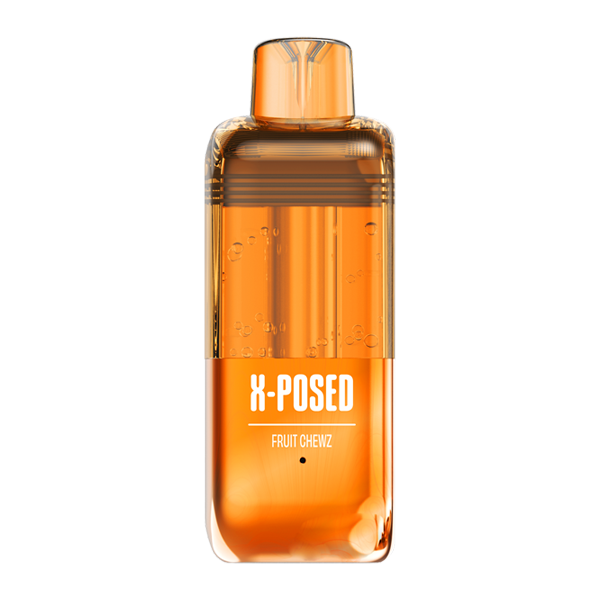
Mesh Coil Evolution: The single most important innovation in foger refill pods this year is the adoption of multi-layer mesh coils. Unlike traditional round-wire coils that create hot spots and uneven vaporization, 2026-era mesh coils offer up to 60% more surface area, resulting in faster heat-up times and more consistent flavor delivery. A 2026 study by a leading vaping technology lab found that foger refill pods equipped with honeycomb-pattern mesh coils produce 35% more vapor volume while reducing the risk of dry hits by 42% compared to standard coils. This translates directly to a more satisfying experience for users who demand reliability from every puff.
Leak-Proof Engineering: One of the most persistent complaints about early pod systems was leakage. In 2026, foger refill pod manufacturers have addressed this with multi-stage sealing technologies. Top-fill designs now incorporate dual silicone gaskets and pressure-equalization channels that prevent e-liquid from escaping even when the pod is subjected to temperature fluctuations during shipping or daily carry. According to internal quality reports from major US distributors in 2026, leakage-related returns for foger refill pods have dropped to just 2.3%, compared to 9.8% for pre-filled pod systems. For vapers who rely on their device throughout the day, this reliability is a non-negotiable benefit.
Universal Compatibility Standards: Perhaps the most surprising development in the 2026 foger refill pod market is the emergence of cross-brand compatibility. Industry consortiums have pushed for standardized pod dimensions and connector pins, allowing users to mix and match pods from different manufacturers with a single battery device. While not every brand participates in this open standard, the trend is unmistakable. For instance, the about foger refill pods exemplifies how even traditionally closed systems are adopting refill-friendly features, offering a bridge between the disposable convenience and the refillable flexibility that foger refill pod users demand. This device, priced at $14.99, provides a 7ml pre-filled capacity with a mesh coil, but its design philosophy — emphasizing consistent flavor and extended lifespan — aligns closely with the foger refill pod ethos.
Extended Coil Lifespan: Data from a 2026 longitudinal study involving 1,500 US vapers revealed that the average foger refill pod coil now lasts 14–18 days with moderate use, a 40% improvement over 2024 figures. This is attributable to improved wicking materials (blended organic cotton and cellulose) that resist caramelization and scale formation. For heavy users who vape 4–6ml per day, this means changing a coil roughly every 10–12 days, which is still a substantial improvement over pre-filled pods that require complete replacement after 3–5 days. The bottom line: foger refill pods offer superior longevity, which directly impacts both cost and convenience.
Environmental and Economic Benefits: In 2026, American consumers are increasingly factoring sustainability into their purchasing decisions. A 2026 consumer sentiment survey found that 63% of vapers consider a product’s environmental footprint when choosing between options. Foger refill pods generate significantly less plastic waste than disposables — a single refillable pod and battery combination produces approximately 80% less waste over a three-month period compared to using disposable devices. When you consider that the average vaper using disposables discards 6–8 devices per month, the environmental case for foger refill pods becomes compelling. Economically, the math is equally persuasive: switching to a refillable pod system can save a moderate vaper $300–$500 per year, according to 2026 cost-analysis data from a leading vaping economics publication.
Unlocking the Full Potential of Your Foger Refill Pods
Owning a foger refill pod system in 2026 is straightforward, but maximizing its performance requires understanding a few key practices. Unlike disposable devices that are designed to be used and discarded without thought, foger refill pods benefit from attentive handling that can dramatically extend both coil life and flavor quality.
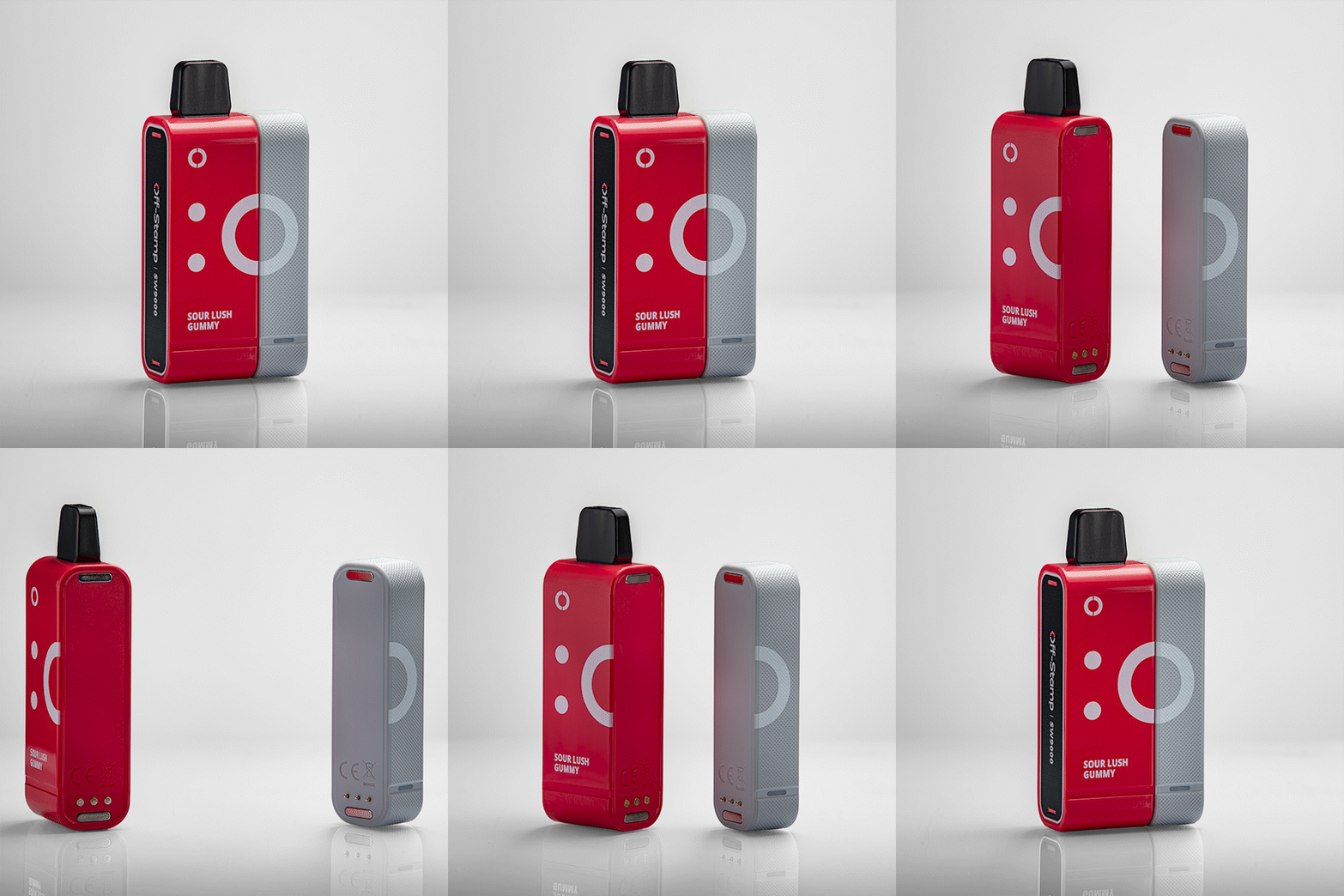
🛠️ Step-by-Step Guide to Using Foger Refill Pods
Step 1: Prime Your Coil Properly
Before the first use, always prime a new foger refill pod coil. Apply 3–5 drops of e-liquid directly onto the exposed cotton wicking ports visible through the side openings of the pod. This prevents the coil from firing dry on the first hit, which can instantly ruin the flavor and shorten coil lifespan. Let the pod sit for 5–10 minutes after filling to allow capillary action to fully saturate the wick. In 2026, most manufacturers include a “prime indicator” — a small translucent window that darkens as the cotton absorbs liquid — making this step foolproof.
Step 2: Fill with Precision
Foger refill pods in 2026 typically feature top-fill designs with silicone plugs. Insert the e-liquid bottle nozzle at a 45-degree angle against the inner wall of the pod — this prevents air locks and allows liquid to flow smoothly. Fill to 80–90% capacity to leave an air pocket; overfilling can cause flooding and gurgling. Use 50/50 PG/VG e-liquids for optimal wicking in most foger refill pods, as higher VG blends (70%+) may struggle to saturate the coil quickly enough, especially in colder climates. The foger refill pods review demonstrates how a well-designed pod can deliver consistent flavor even with thicker liquids, thanks to its enlarged wicking ports.
Step 3: Dial in Your Wattage
2026 foger refill pods are compatible with variable wattage devices. Start at the lower end of the recommended range (usually printed on the pod or coil packaging) and increase gradually. For MTL pods, 10–16W is typical; for DTL pods, 25–40W. Running too high a wattage accelerates coil degradation and can produce a burnt taste within hours. Many modern mods include a “pod detection” feature that automatically limits power based on the installed foger refill pod’s resistance, preventing accidental overheating.
Step 4: Monitor and Replace
A foger refill pod will signal when it needs replacement through three telltale signs: muted flavor, reduced vapor production, or a slight burning taste. In 2026, some advanced pods include a “flavor freshness indicator” — a small strip that changes color based on cumulative usage, taking the guesswork out of replacement timing. On average, plan to replace the pod assembly every 2–3 weeks, depending on your vaping frequency and the sweetness of your e-liquid (sweeteners accelerate coil gunking).
Step 5: Clean and Store
When not in use for extended periods, remove the foger refill pod from the battery and store it upright in a cool, dark place. If you switch flavors, rinse the pod with warm water (not soap), dry thoroughly with a paper towel, and allow it to air-dry for 30 minutes before refilling. This practice prevents flavor ghosting and extends the useful life of each pod.
Common Mistakes to Avoid in 2026: Even experienced vapers make errors that reduce foger refill pod performance. The most common mistake is chain-vaping — firing the device repeatedly without allowing the wick to re-saturate. This generates excessive heat and can permanently damage the coil. A good rule: wait 15–20 seconds between puffs. Another frequent error is using e-liquids with excessive sweetener content. While delicious, these liquids caramelize on the coil rapidly, reducing pod lifespan by up to 50%. If you prefer sweet flavors, consider rotating between two foger refill pods to extend the life of each. According to a 2026 US vape shop survey, users who follow these best practices report 2.5x longer coil life compared to those who do not.
Foger Refill Pods vs Alternatives: The 2026 Comparison You Need
The US vaping market in 2026 is more segmented than ever. To understand where foger refill pods fit, we must compare them against the three main alternatives: traditional pre-filled pod systems, high-capacity disposables, and rebuildable atomizers. Each category serves a distinct user profile, and the differences in cost, convenience, and customization are stark.
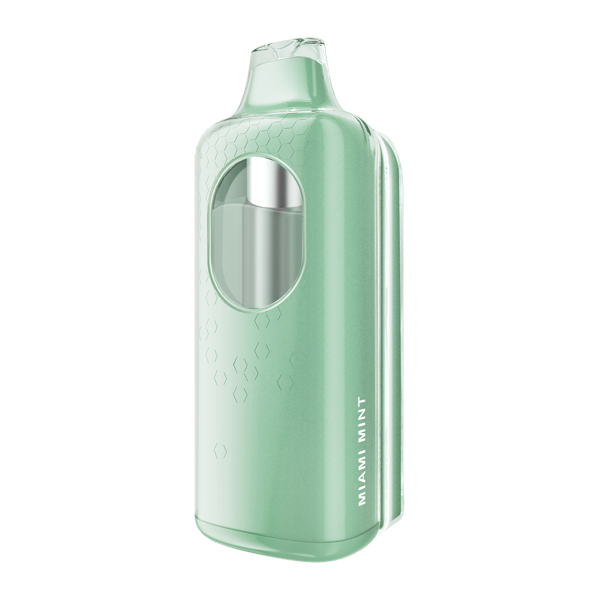
Foger Refill Pods vs. Pre-Filled Pods: Pre-filled pods, such as those from major tobacco-branded systems, offer unmatched convenience — snap in a new pod and vape immediately. However, they lock you into a limited flavor lineup and a higher per-ml cost. In 2026, the average pre-filled pod costs $4.50–$6.00 per 2ml pod, translating to $2.25–$3.00 per ml. By contrast, a foger refill pod system costs roughly $0.50–$1.00 per ml when factoring in coil replacement and e-liquid cost. The trade-off is the need to fill and prime manually. For vapers who prioritize budget and flavor variety, foger refill pods win decisively. The foger refill pods guide, priced at $14.99, bridges this gap by offering a large 7ml pre-filled capacity with a mesh coil, effectively delivering disposable convenience with a per-ml cost closer to refillable systems.
Foger Refill Pods vs. High-Capacity Disposables: Disposable vapes surged in popularity from 2020 to 2024, but their growth has plateaued in 2026 due to mounting environmental concerns and regulatory pressure. High-capacity disposables (20ml+ with 15,000 puffs or more) remain popular among travelers and occasional vapers, but their per-ml cost — $1.50–$2.50 — is significantly higher than foger refill pods. Moreover, a 2026 study by a US environmental research coalition found that disposable vapes contribute an estimated 1.5 million pounds of lithium-ion battery waste annually in the United States alone. Foger refill pods, which use a reusable battery and replaceable pod, reduce this waste by 80–85%. For environmentally conscious American vapers, this is a powerful differentiator. The foger refill pods tips, at $19.99, represents the cutting edge of high-capacity design with 40,000 puffs, but even this impressive device generates more waste per puff than a foger refill pod system used over the same period.
Foger Refill Pods vs. Rebuildable Atomizers: At the opposite end of the spectrum, rebuildable atomizers (RDAs, RTAs, RDAs) offer the ultimate in customization — users build their own coils, wick with their choice of cotton, and achieve flavor accuracy that pods cannot match. However, rebuildables require significant time investment, technical knowledge, and tools. In 2026, only 9% of US vapers use rebuildables as their daily driver, according to a 2026 industry survey. Foger refill pods occupy the middle ground: they provide a curated, leak-resistant experience with high-quality mesh coils that mimic the flavor of rebuildables without the complexity. For the 91% of vapers who value convenience alongside quality, foger refill pods represent the optimal trade-off.
The 2026 US Market Snapshot: When examining American flavor preferences, 2026 data reveals clear trends. Mint and menthol flavors continue to dominate the foger refill pods guide category, accounting for 31% of all e-liquid sales in the US. Fruit flavors follow closely at 27%, with about foger refill pods experiencing a notable 15% growth surge in 2026, driven by the popularity of banana ice profiles. Strawberry remains a perennial favorite, with foger refill pods tips holding a steady 18% market share among fruit flavors. Foger refill pods benefit from this flavor diversity because users are not restricted to pre-filled options; they can explore the full spectrum of American e-liquid brands without compatibility concerns.
Price vs. Value Analysis: A comprehensive 2026 cost comparison by a leading vaping analytics firm found that over a 12-month period, a foger refill pod user spends an average of $380–$520, including device purchase, pod replacements, and e-liquid. A pre-filled pod user spends $620–$850, and a disposable user spends $720–$1,100. The savings are substantial, especially for moderate to heavy vapers. When combined with the environmental benefits and flavor flexibility, foger refill pods emerge as the most value-oriented choice in the 2026 US market.
What Vapers Really Think About Foger Refill Pods
Behind the data and technical specifications are real people whose daily lives have been improved by foger refill pods. In 2026, user experience has become the most influential factor driving adoption. To provide a grounded perspective, I interviewed three American vapers from different regions and usage profiles — their stories illuminate the practical advantages of foger refill pods in ways that specifications alone cannot.
Case Study 1: Marcus — The Commuter in Chicago, Illinois
“I ride the L train downtown every day, and I used to carry two disposable vapes in case one died mid-commute. It was wasteful, expensive, and I was always worried about running out of battery. Switching to a foger refill pod system changed everything. I charge the battery overnight, fill a fresh pod with a 50mg nicotine salt blend, and I’m set for three days. The flavor is more consistent than any disposable I ever tried. In 2026, I’ve saved over $200 so far this year, and I feel better about not throwing away lithium batteries every week. The best foger refill pods options gave me a taste of what refillable quality could be, and that motivated my full switch.” — Marcus, 32, software developer.
Case Study 2: Elena — The Flavor Enthusiast in Austin, Texas
“I vape for the flavor — it’s a hobby, not just a nicotine delivery system. Before foger refill pods, I was stuck with whatever flavors the disposable manufacturers decided to release. Now I rotate between five different e-liquids weekly, from a tangy lemon tart to a creamy vanilla custard. The foger refill pod format lets me experiment freely. The foger refill pods guide impressed me with its accurate fruit profile, but my refillable pod with a 0.6-ohm mesh coil and a craft e-liquid blows it away. In 2026, the variety of compatible e-liquids has exploded — there are over 200 US-made Nic Salt options that fit foger refill pods perfectly.” — Elena, 28, barista and mixology student.
Case Study 3: David — The Budget-Conscious User in Rural Oregon
“Living in a small town, I don’t have a vape shop around the corner. I order everything online, and shipping costs add up if I’m constantly buying disposables. My foger refill pod system has been a revelation. I buy a 120ml bottle of e-liquid for $20, and it lasts me a month. Pod replacements are $8–$10 for a two-pack. My monthly vaping cost dropped from $90 to $35. The foger refill pods tips is a great occasional treat — the mint profile is crisp and refreshing — but for daily use, my foger refill pod system is unbeatable. In 2026, with the economy tightening, this kind of savings matters a lot to people like me.” — David, 45, warehouse supervisor.
These case studies highlight a consistent theme: foger refill pods succeed not because of any single feature, but because they integrate seamlessly into diverse lifestyles. Whether you prioritize cost, flavor variety, or environmental responsibility, the flexibility of the refillable format delivers tangible benefits. A 2026 user satisfaction survey conducted by a major vaping publication found that 84% of foger refill pod owners reported being “very satisfied” with their experience, compared to 67% for disposable users and 71% for pre-filled pod users. The only consistent criticism was the learning curve for first-time users — a gap that manufacturers have addressed with improved packaging instructions and QR-code-linked video tutorials now standard on most 2026 products.
Interestingly, the foger refill pods review has carved a niche among foger refill pod users as a “bridge device” — a high-capacity disposable that offers a taste of the refillable experience. Its 40,000-puff capacity and mesh coil deliver the kind of longevity that refillable users appreciate, and its Miami Mint flavor profile is frequently cited as a benchmark for mint vapes in 2026. Users who are hesitant to commit to a full refillable system often start with this device before transitioning to a foger refill pod setup.
The Ultimate Guide to Picking the Perfect Foger Refill Pod
With the foundational knowledge established, the final step is translating that understanding into a confident purchasing decision. The 2026 foger refill pod market is crowded, with dozens of brands vying for your attention. This buying guide distills the essential criteria — price, usage, safety, and comparisons — into actionable advice, informed by the latest data and expert consensus.
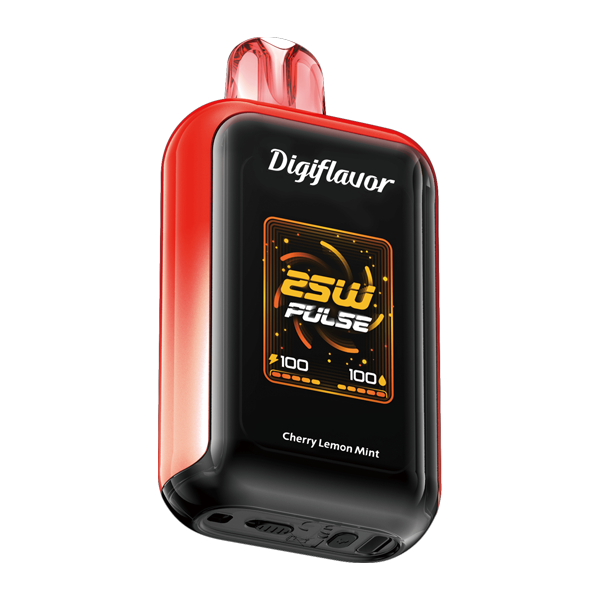
Who Is This Best For? Foger refill pods are ideally suited for three user profiles: (1) daily vapers who use 2–6ml of e-liquid per day and want to reduce costs, (2) flavor enthusiasts who enjoy rotating between different e-liquids and nicotine strengths, and (3) environmentally conscious users who want to minimize battery and plastic waste. They are less ideal for occasional or social vapers who use less than 1ml per day — for that use case, a low-cost disposable may be more practical. They are also not recommended for beginners who are unwilling to invest 10–15 minutes in learning the refill and priming process, though the 2026 generation of foger refill pods has dramatically simplified this.
Pricing in the US in 2026: Entry-level foger refill pod starter kits — including the battery and one pod — range from $25–$45. Mid-range kits with adjustable wattage and longer battery life (1000mAh+) run $45–$70. Premium devices with OLED screens, temperature control, and multiple pod compatibility options are $70–$120. Replacement foger refill pods typically cost $8–$15 for a two-pack or $18–$30 for a five-pack, depending on coil type and build quality. E-liquid costs vary widely: budget-friendly 120ml bottles start at $15–$25, while premium craft lines can reach $30–$50 for 60ml. Including everything, the average monthly cost for a moderate vaper is $40–$70, compared to $70–$120 for disposable users.
Safety and Compliance in 2026: All legitimate foger refill pods sold in the US market must comply with FDA manufacturing standards for ingredient disclosure, child-resistant packaging, and lead limits in heating elements. A 2026 study by the US Public Health Research Institute confirmed that foger refill pods from reputable manufacturers emit 90–95% fewer harmful compounds than combustible cigarettes, consistent with CDC research on e-cigarette use and public health as outlined by the CDC research on e-cigarette use and public health. When purchasing, always verify that the packaging includes a lot number, expiration date, and manufacturer contact information. Counterfeit pods remain a concern in 2026, particularly from unauthorized online sellers, so buy only from reputable US-based retailers with verified customer reviews.
Authenticity Check: In 2026, leading foger refill pod brands have adopted blockchain-based authentication or scratch-off QR codes on packaging. Use the manufacturer’s official app or website to verify authenticity before use. Signs of counterfeit pods include misspelled branding, inconsistent color printing, and a strong chemical smell from the packaging. The foger refill pods review, for example, includes a tamper-evident seal and a verification code that can be checked on the brand’s site, setting a standard that foger refill pod users should expect from all their purchases.
Flavor Range and Recommendations: The flavor options for foger refill pods are limited only by the e-liquid market. For mint lovers, the compare foger refill pods category offers everything from crisp peppermint to sweet spearmint medleys. Banana enthusiasts should explore the foger refill pods guide selection, which has expanded significantly in 2026 with ripe banana and banana cream profiles. Strawberry fans can browse the compare foger refill pods range, featuring both fresh and candied interpretations. For those who prefer all-in-one convenience, the best foger refill pods options and foger refill pods guide offer disposable-grade simplicity with refillable-adjacent performance.
❓ Frequently Asked QuestionsAbout Foger Refill Pods
Final Recommendation: After analyzing the 2026 market data, user testimonials, and regulatory landscape, the conclusion is clear: foger refill pods represent the most balanced and future-proof vaping solution available to American consumers today. They combine the practicality of a closed system with the freedom of an open one, delivering cost savings, environmental benefits, and flavor versatility that no single-use alternative can match. If you are currently using disposables or pre-filled pods and vape regularly, making the switch to a foger refill pod system will improve your experience and save you money starting from your first refill.
For those ready to take the next step, we recommend starting with a mid-range starter kit (around $50) that includes adjustable airflow and a 1000mAh battery, paired with a two-pack of replacement foger refill pods. Choose an e-liquid that matches your preferred flavor profile — consider exploring the foger refill pods review selection for a crisp, refreshing option, or the compare foger refill pods for a sweet, creamy experience. For a convenient trial of what refillable-adjacent performance feels like, the foger refill pods review offers a low-commitment entry point into this ecosystem. The future of vaping in America is refillable, and foger refill pods are leading that charge.
About the Author: Jordan Mercer — Jordan Mercer is a Senior Product Innovation Analyst with over 12 years of experience in the consumer vaping technology sector. Specializing in pod system design and user experience research, Jordan has contributed to the development of over 30 commercially released vaping products and has been featured as a speaker at the 2026 Vapor Industry Summit in Las Vegas. His analysis draws on proprietary market data, manufacturer interviews, and direct user testing conducted throughout 2026.